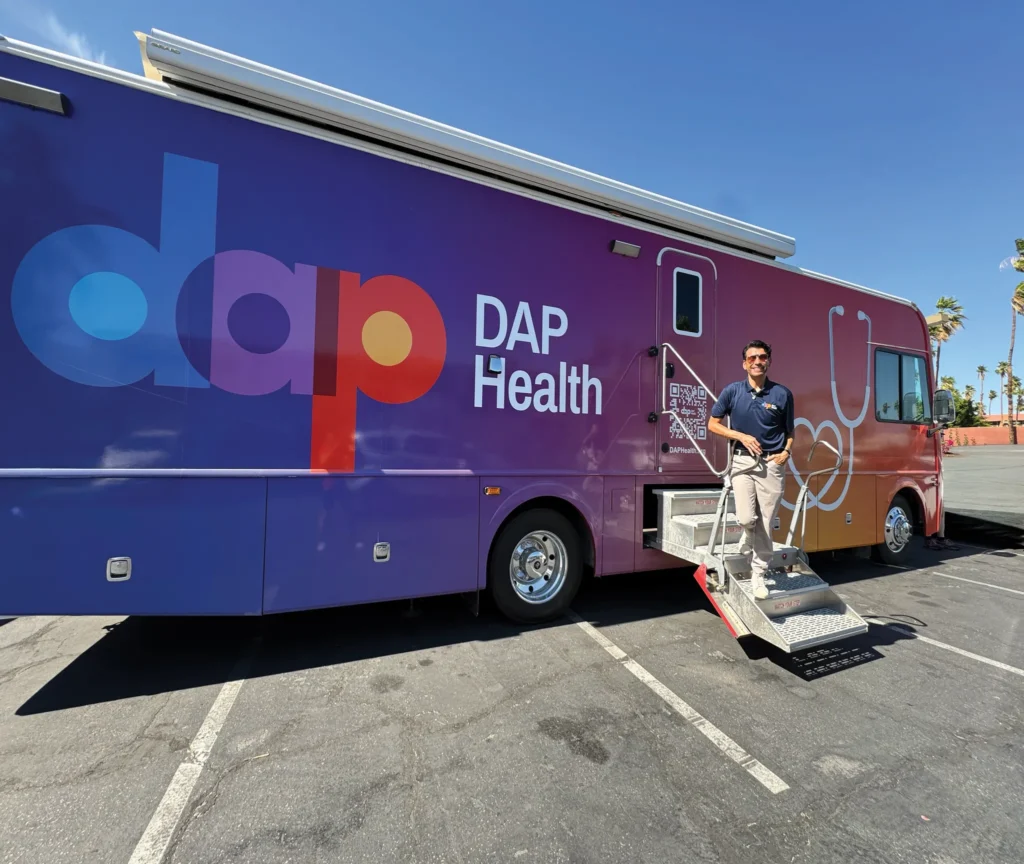





5 Essential Health Screenings You Shouldn’t Skip
DAP Health Physician Assistant Felipe Cendejas recommends a handful of tests that shouldn’t be missed during your annual physical.
Words by Lorenzo Taylor
Regular diagnostics checkups help most machines last longer. Similarly, health maintenance is important even when our bodies feel fine. Regular screenings help a patient catch problems early — before they become serious — giving them the best chance at a long, healthy life.
DAP Health Sunrise Physician Assistant Felipe Cendejas — a former mental health technician and urgent care medical director — has more than 12 years of experience in direct patient care. He provides a full array of clinical services to his patients, and also sees his role as a wellness advocate and coach to help them minimize chronic illness through proactive approaches that include preventive screenings. He recommends five key health screenings adult patients should do regularly. These easily administered testings give patients the chance to take action before issues become more difficult to treat.
1. Blood Pressure Check
High blood pressure, also known as hypertension, doesn’t always show obvious symptoms, but can lead to dangerous conditions such as heart disease and stroke. Cendejas recommends checking your blood pressure at least once a year, or more often if you have high readings. Keeping your blood pressure under control is essential for maintaining a healthy heart.
2. Cholesterol and A1c Blood Tests
These tests are important for monitoring your heart health and potential risk for diabetes. A cholesterol test helps measure fats in your blood that can clog arteries and lead to heart disease. An A1c test checks your average blood sugar over the past few months, which can indicate whether you’re at risk for diabetes. Cendejas suggests getting these tests done every three to five years, or sooner if you’re over 40 or at a higher risk for heart disease or diabetes.
3. Colonoscopy for Colon Cancer Screening
Colon cancer is one of the most common types of the disease — especially as we get older — but it’s also one of the most preventable. Starting at age 45, Cendejas recommends getting a colonoscopy, which allows doctors to look for early signs of cancer in the colon. If you’re not comfortable with a colonoscopy, there are alternative stool tests that can also check for signs. Regular screenings can help detect problems early, improving the chances of successful treatment and survival.
4. Mammogram and Pap Smear
For women, these screenings are essential for detecting cancers early. A mammogram, which checks for breast cancer, should start around age 40 to 50 and be done every one to two years. A pap smear helps detect cervical cancer and typically starts at age 21, with followup tests every three to five years. These screenings are important for women’s health and can help catch cancers before they become more serious.
5. HIV/STI Screenings
Sexually transmitted infections (STIs) — like HIV, syphilis, gonorrhea, and chlamydia — can affect anyone, regardless of age or sexual orientation, and many don’t show symptoms. Regular STI screenings are essential for maintaining your sexual health (and that of your partners) and preventing complications. Depending on your sexual activity and risk factors, Cendejas advises getting STI tests done regularly to stay on top of your health.
Talk to your physician about what’s right for you. Your future self will thank you!
To find out more about these vital health checks, please talk to your primary care clinician at DAP Health. If you are not yet a patient and would like to become one — whether you wish to see Cendejas or another clinician — please click here.